Need pest control in Cleveland?
Describe the problem and request an estimate. A local provider from our network will follow up with next steps. No obligation.
No obligationRequest an estimate today
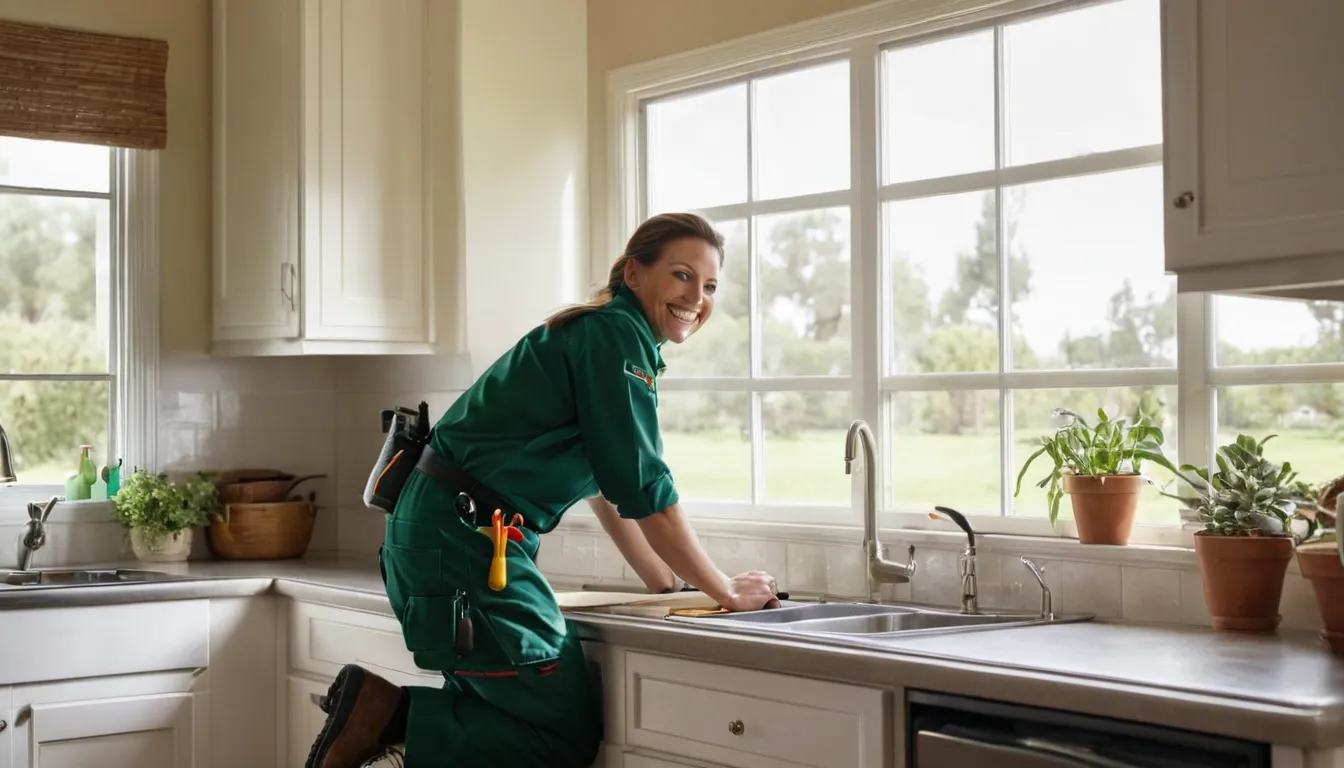
Pest control means finding what is living in your home, treating it, and closing the gaps that let it in. The right method depends on the pest, the season and the age of the house.
Hearfine Pest Control is a referral service. It does not do the work. It matches your request with independent providers in our network and explains the likely steps in plain terms. You see the options first. The provider you choose handles the inspection, treatment and follow-up, and gives you a written quote before work begins. That way you know what to expect and what to ask, and nothing is a surprise on the day a technician arrives.
You spotted ants on the counter, a spider in the garage, or droppings behind the stove. Stay calm. Most household pest problems are manageable, and the path forward is short.
Hearfine Pest Control is a referral service. Providers do the work. Our part is to lay out your options so you know the next step before anyone starts.
Do these in order. They protect your home and help a provider diagnose faster.
Pests multiply. A few roaches become a colony. A small ant trail can mean a nest inside a wall.
Local weather adds pressure. Cold winters with deep frost push insects and rodents indoors. Hot, humid summers speed up breeding. Spring flooding and heavy storms drive pests out of wet ground and into basements.
Older frame houses, bungalows and ranch homes often have small gaps around pipes, sills and foundations. Pests only need a gap the width of a pencil.
Residential pest control is the treatment of pests in and around a home. A typical job has four parts.
Some providers also treat the yard edge and foundation. This is called a perimeter treatment.
These are the usual calls.
Bed bugs hide in mattress seams and bed frames. Store-bought sprays rarely reach them.
Bed bug treatment usually uses heat, targeted products, or both. Expect prep work, such as washing bedding on high heat and clearing clutter. Plan on a follow-up visit, since eggs can hatch after the first pass.
Ask before the visit. A good provider answers plainly.
Providers in our network are independent. Ask any provider to show their state license. Products are applied under label rules, and many treatments use baits placed out of reach.
A one-time treatment fits a single, clear problem, such as a wasp nest or a short ant trail.
An ongoing plan means scheduled visits, often every few months. It suits homes with repeat pests, damp basements, wooded lots, or a history of roaches or spiders. Plans usually include re-treatment between visits if pests return.
Ask what the plan includes and how to cancel. Get it in writing.
Searching for an exterminator near me turns up many names. Compare a few things.
Be cautious if someone offers a price without seeing the problem, or pushes a long contract on the first visit.
Your prep makes a difference.
You send a short description. We match it with independent local providers. They contact you, ask a few questions, and may book an inspection.
You then compare quotes and methods. There is no obligation to hire anyone. Know the next step, then decide.
Request a callback to check provider availability if the problem is active and you would rather talk it through.
The provider checks entry points, moisture and nesting spots to confirm which pest you have.
Baits, sprays or traps matched to the pest and placed where it travels.
Gaps around pipes, sills and foundations get closed so pests cannot easily return.
Many providers recheck activity and re-treat if needed, depending on the plan.
Prices vary by pest, home size and how long the problem has run. These are typical U.S. ranges only. Always ask for a written quote that lists what is included.
| Service | Typical range | Notes |
|---|---|---|
| Inspection | $75 – $250 | Some providers apply it to the treatment price |
| One-time general treatment | $100 – $400 | Common for ants, spiders, crickets |
| Quarterly plan (per visit) | $40 – $150 | Scheduled visits, often with re-treatment |
| Roach treatment | $150 – $600 | Heavier infestations need follow-ups |
| Bed bug treatment | $300 – $2,500 | Heat jobs sit at the high end |
| Exclusion and sealing | $200 – $1,500 | Depends on number of entry points |
Tell us the pest, the room and what you have already tried.
Independent local providers in our network review your request and reach out.
Review methods, products, follow-up terms and written prices side by side.
The provider you choose inspects, treats and explains what to do afterward.
You see the likely methods, steps and questions to ask before any provider starts work.
Requests go to independent providers who know regional pests and older local homes.
Each term is explained once, so quotes and treatment plans make sense.
Request an estimate, compare, and choose. Nothing requires you to hire.
Describe the problem and request an estimate. A local provider from our network will follow up with next steps. No obligation.
No obligationA few ants or a single spider may respond to cleaning and sealing food. Repeat sightings, nests, droppings, bites or pests in several rooms usually mean it is time for a provider to inspect.
Treatments are applied under label rules, and many use baits placed out of reach. Ask the provider which product they use, how long to stay out of the area, and for written instructions.
It depends. A single problem may need one treatment. Homes with repeat pests, damp basements or wooded lots often use visits every few months. Ask the provider to recommend a schedule in writing.
Describe the problem and request an estimate. A local provider from our network will follow up with next steps. No obligation.
No obligation